
ATGBICS recently joined Electropages for an in-depth discussion on one of the biggest long-term challenges facing industrial networking environments: fibre optic network obsolescence.
In this episode of The Electropages Podcast, host Robin Mitchell speaks with Karl Broderick and Simon Clark about how organisations can maintain and extend critical infrastructure when original networking hardware reaches end-of-life.
Supporting Long-Term Industrial Network Infrastructure
Industrial environments continue to rely on legacy networking systems operating at 100 Mbps, 155 Mbps, 1 Gbps, and 10 Gbps data rates. While these platforms remain operationally critical, many original equipment manufacturers are discontinuing support for older optical transceivers and networking components, creating serious supply chain and maintenance challenges for engineers.
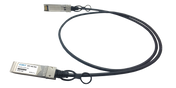
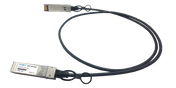
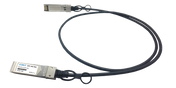
During the podcast, Karl and Simon discuss how ATGBICS helps customers address these challenges through compatible fibre optic transceivers, through-hole modules, DACs, AOCs, network interface cards, and industrial-grade networking accessories designed for long-term infrastructure support.
The discussion highlights several sectors where network longevity is essential, including:
- Industrial manufacturing
- Transport infrastructure
- Aerospace systems
- Utilities and critical infrastructure
- Automation and production environments
In these applications, replacing entire network architectures is often impractical, expensive, or operationally disruptive. Instead, maintaining compatibility with existing hardware becomes a far more sustainable and cost-effective approach.
Why Fibre Remains Critical in Industrial Environments
The podcast also explores the technical advantages of fibre optic networking in harsh operating conditions.
Unlike copper-based alternatives, fibre offers:
- Immunity to electromagnetic interference (EMI)
- Stable long-distance data transmission
- Improved reliability in electrically noisy environments
- Support for extended temperature operation
- Reduced signal degradation over distance
These characteristics make fibre especially valuable across industrial and transport applications where uptime, reliability, and environmental resilience are essential.
Avoiding Counterfeit and Grey-Market Risks
Another key topic covered in the episode is the growing risk associated with sourcing obsolete networking hardware through unofficial channels.
Karl and Simon explain how compatible, fully tested transceivers provide engineers with a more traceable and reliable alternative to grey-market or counterfeit components. By working with trusted compatibility specialists, organisations can reduce downtime risk while continuing to support legacy infrastructure safely and efficiently.