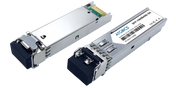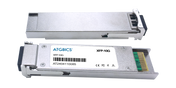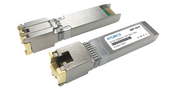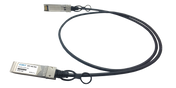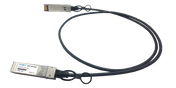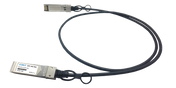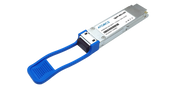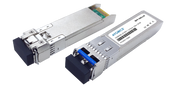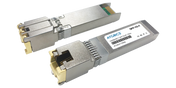
Conformal coating is a thin layer of polymeric film applied directly onto a Printed Circuit Board (PCB) and its components. It “conforms” to the irregularities of the board structure creating a protective barrier against environmental conditions while enhancing structural integrity.
- Moisture & humidity
- Dust & particles
- Chemicals & solvents
- Additional extreme temperature resistance
- Solder joint corrosion
This is commonly used in industrial grade transceivers as part of the ruggedisation process that makes them more resistant to extremes than other modules. Industrial working environments often expose transceivers to the exact conditions that conformal coating protects against.
It is particularly valuable in applications where maintenance is infrequent, providing long term protection without the need for regular physical intervention.
Common Types of Conformal Coating
Acrylic
- Generally the most widely used in electronics
- Easily removed by a variety of solvents for reworking or repairs
- Cost effective way to get good moisture and humidity resistance
- Does not protect from solvents, chemicals or very high temperatures
Silicone
- Great protection from extreme temperatures, chemicals, moisture and dust
- Flexible material helps with vibration and thermal cycling resistance
- Removal is challenging but not impossible, requiring long soaking in special solvents and agitation.
Urethane (Polyurethane)
- Good overall protection from all peripheral threats
- Very difficult to remove
Industrial transceivers most commonly use silicone resin conformal coating. Although more expensive than acrylic, reliable resistance to temperature extremes and other conditions common in industrial environments is needed. The difficulty in removal is largely irrelevant in the context of sealed transceiver modules.